Texas is growing fast, and real estate conflicts are growing with it. A booming population, sprawling development, and skyrocketing land values have created converging pressures, leading to legal disputes among buyers, builders, neighbors, and property owners.
This is the Texas real estate disputes index 2026: a breakdown of the five most common legal real estate issues in high-growth counties between 2024 and the coming year in 2026. From Comal and Hays counties to surrounding Central Texas markets, property owners working with New Braunfels real estate lawyers are encountering recurring issues involving access disputes, boundary conflicts, easement disputes, title defects, and contract breakdowns.
Title Defects Are the Most Common Dispute in Texas Real Estate
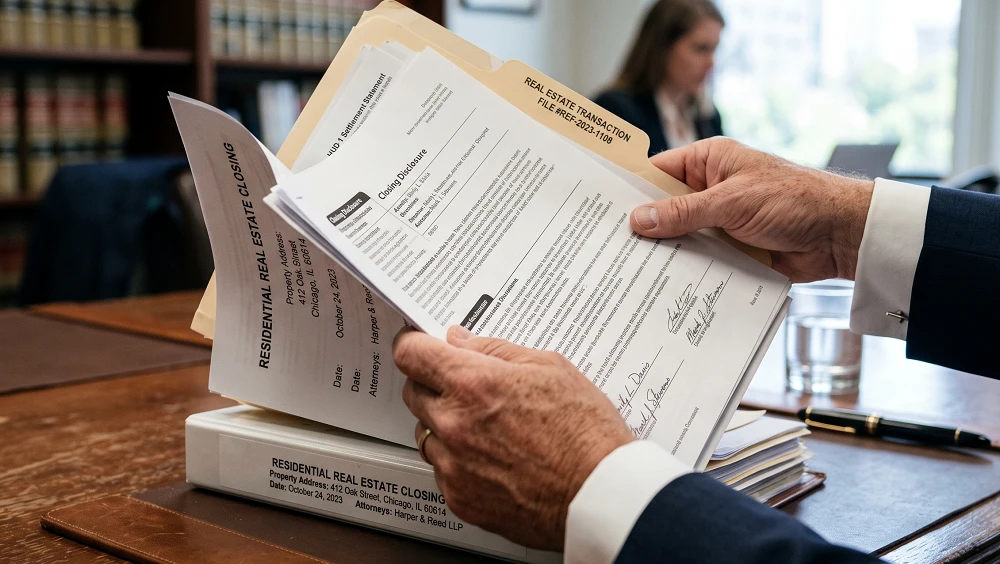
Title defects remain the leading cause of legal disputes across Texas. In places like Comal County, the second-fastest-growing large county in the U.S., according to the U.S. Census Bureau, ownership isn’t always as clear as the deed suggests. Unreleased liens, outdated legal descriptions, surprise heirs, and even fraud can block property transfers and cloud ownership.
Texans file quiet title actions under Texas Property Code § 22.001 to clear disputes. Attorneys handling disputes across Texas real estate matters are seeing increased volume as older parcels change hands under modern title scrutiny.
Most issues are resolved through:
- Corrective deeds and missing lien releases
- Negotiated quitclaims
- Quiet title lawsuits when cooperation fails
“In fast-growth corridors, we’re seeing 20-year-old paperwork errors stop $5 million deals cold. Developers, buyers, and banks don’t have the luxury of ignoring title defects anymore”. — Stephen Ganske, real estate attorney from Texas Horizons Law Group.
Title problems are not always obvious, and they rarely go away on their own. If there's any doubt about your ownership, act promptly and consult legal counsel before a minor defect becomes a major obstacle.The New Braunfels real estate lawyers at Texas Horizons Law Group can review title and access before the purchase closes to address a buyer’s future usage of the property.
Texas real estate attorneys assist Sellers in resolving access and title issues before marketing their property for sale for a seamless closing after the Property is under a sales contract
Easement Disputes Rise as Suburbs Push into Rural Land
In counties like Hays and Guadalupe, access isn’t guaranteed, even if the road’s been there for 30 years. Shared driveways, utility easements, and informal use agreements are now flashpoints between landowners, developers, and municipalities.
Easements by necessity and prescription may be granted under Texas common law when access is blocked or never legally granted. Disputes often arise when new owners inherit old informal arrangements.
In rural Guadalupe County, a rancher fenced off a dirt road used by a new housing development. The developer filed for a court-ordered easement and secured a temporary injunction to reopen access while terms were negotiated.
Common resolutions:
- Recorded easement agreements
- Court orders for access
- Redesign of lot plans to reduce conflict
Access disputes rarely stay quiet. As development expands into rural areas, these conflicts will only increase.
Boundary Conflicts Increase with New Surveys and Subdivisions
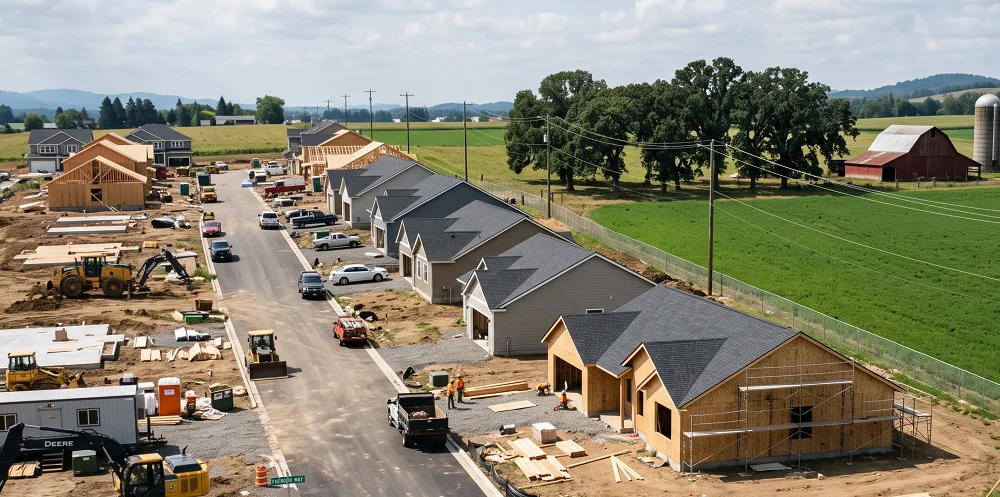
In high-demand counties like Williamson and Hays, surveyors are unearthing new legal problems, such as fences in the wrong spot, overlapping driveways, and garages built inches past the property line.
Texas adverse possession laws, like Tex. Civ. Prac. & Rem. Code § 16.026, allow someone occupying land for 10+ years to potentially claim ownership, assuming the true owner never objected.
Subdivisions built on subdivided ranches often reuse fence lines rather than legal property descriptions, leading to mismatches. When buyers commission new surveys during resale, the issues surface.
How these cases are usually handled:
- Boundary line agreements
- Lot line adjustments
- Declaratory judgment lawsuits
Williamson County property lawsuits grew by over 12.8% from 2023 to 2025, per Texas Judicial Branch data. What starts as a few inches of overlap can turn into a lawsuit or stalled sale. Always verify boundary lines with a modern, professional survey before purchase or construction.
#cta_start
Trusted Guidance for High-Impact Property Disputes
Serving clients in Texas’s fastest-growing counties with board-certified representation in real estate law. Contact our team today.
#cta_end
Breach of Contract Cases Surge as Fast Closings Break Down
Texas’s fast-paced property market is also fueling contract litigation. With properties selling in days or even hours of being listed, there’s little margin for error. Breach of contract litigation is surging, whether by the sellers backing out, the buyers failing to fund, or developers failing to deliver.
Nearly 42% of all civil cases in Texas courts in 2024 involved contract claims (including unpaid debt claims), according to Texas Office of Court Administration reports.
What usually happens next:
- Lawsuits for specific performance (forcing a sale)
- Monetary damages for missed deadlines or non-disclosure
- Declaratory judgments over contract ambiguity
Recent anonymized dispute patterns include: A buyer in New Braunfels backs out after inspection reveals prior flooding. The seller sues for breach and keeps the earnest money. The buyer counter-sues with a fraud claim over non-disclosure. Hopefully, a settlement is reached out of court.
In many cases, strong contracts with clear contingency timelines prevent this type of litigation. But when deals go bad, legal action moves fast. Every transaction needs clear language, deadlines, and remedies. Even in a seller's market, well-drafted contracts are your first defense against legal fallout.
Lease Disputes Flood Texas Courts in Commercial Cases
Eviction filings reached historic levels in 2024 and 2025. In Travis County, over 13,200 cases were filed in 2024 alone, a 25% increase year over year. Meanwhile, Houston surpassed New York City in eviction volume again in early 2025, with 6,536 filings in February alone. Commercial lease disputes, especially in mixed-use developments, are also on the rise.
Texas Property Code Chapter 93 governs commercial lockouts, granting landlords authority subject to conditions.
What’s happening often in recent years:
- Commercial tenants vacating early due to economic downturns
- Landlords misusing lockouts or withholding deposits
- Repair disputes escalating into constructive eviction claims
In 2025, over 177,000 eviction cases were filed across Texas’s top four metros (Houston, DFW, Austin, San Antonio), according to data from Eviction Lab. In Harris County alone, more than 76,000 eviction cases were filed in 2024, the highest on record.
Lease disputes are increasingly shaping landlord-tenant dynamics across Texas. Whether you're drafting a new lease or addressing a breach, legal compliance is critical to protecting your income and rights.
How Most Texans Resolve Real Estate Disputes Without Going to Trial
While litigation makes headlines, most disputes are handled quietly. In our firm’s experience, about 70% of real estate conflicts settle without trial. The difference? Documentation, timing, and extensive preparation.
Common transactional resolutions are:
- Quitclaim deeds or correction filings
- Access or boundary agreements
- Payment exchanges and settlement releases
Litigation is required when:
- Opposing party refuses communication
- Title issues block financing or sale
- Urgent court action needed (e.g., injunction, eviction)
Texas courts support both tracks, and many lawsuits are filed simply to open negotiations with legal leverage.
How to Reduce Risk and Protect Your Property

Preventing a dispute is often far cheaper than litigating one. Legal preparation, whether you're a buyer, seller, developer, or landlord, can eliminate the most common pitfalls in today’s high-stakes property environment.
For Buyers & Sellers
- Order a new survey rather than relying on the seller’s
- Get everything in writing, so no handshake deals
- Read all title exceptions and ask questions
For Landowners & Developers
- Don’t assume verbal easement deals are enforceable
- File and record access agreements before breaking ground
- Monitor for boundary encroachments and act before 10 years pass
For Landlords & Tenants
- Use leases compliant with Chapters 92 and 93
- Document repair requests or access issues in writing
- Provide legal notices before eviction or lockout
A few proactive steps can protect your time, finances, and ownership rights. Whether it’s reviewing paperwork or drawing up agreements, legal foresight pays for itself.